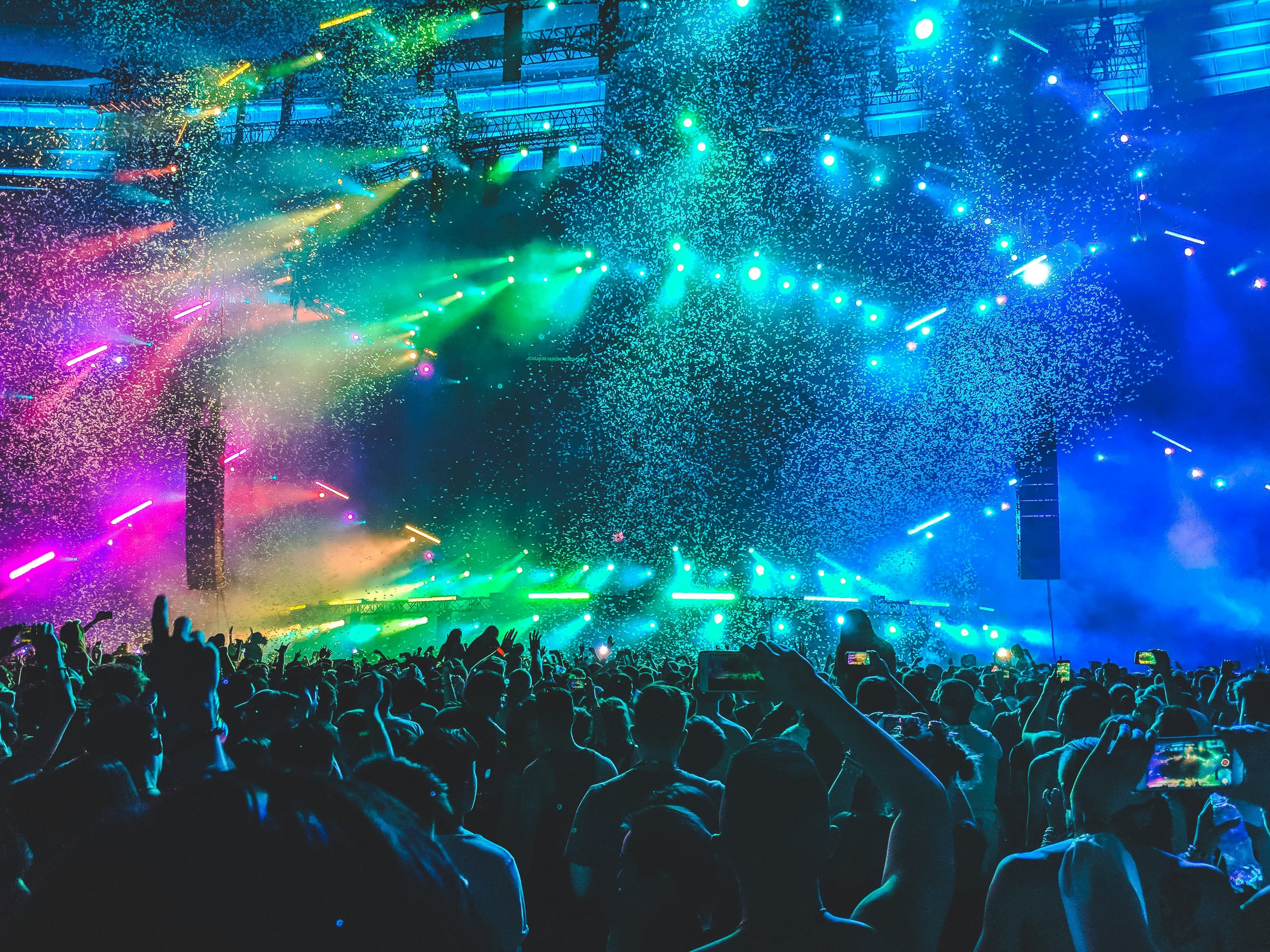
Venue scouting is not about falling in love with one beautiful hall. It is about checking whether the venue supports the kind of movement, timing, and guest behaviour your event will create.
Three questions before you even schedule the visit
- What audience count is realistic, not flattering?
- Does the format need parking, stage depth, breakout rooms, or vendor booths?
- How much operational stress are you willing to carry yourself?
Compare cities by operations, not prestige
| City lens | What to watch closely |
|---|---|
| Lagos | arrival timing, traffic buffers, drop-off logic, backup power, and neighbour noise sensitivity |
| Abuja | compound access rules, protocol expectations, and how guests navigate federal or business districts |
| Port Harcourt | weather resilience, power consistency, and supplier access windows |
During the walkthrough, ask operational questions out loud
- Where exactly will guests queue if they arrive at the same time?
- What happens if we need to start with generator support?
- Can the venue actually hold our signage and registration flow without blocking movement?
- How early can vendors load in, and how late can breakdown happen?
A venue with a decent room but poor access instructions, tight load-in windows, weak power planning, or unclear security rules will cost you time, guest comfort, and crew energy on the live day.
Where teams usually get stuck
The shortest route to a stronger event is usually sharper thinking earlier in the planning cycle. When the team clarifies the desired outcome, the rest of the execution gets easier to align.
Useful event writing also translates nicely into useful event operations. If the idea cannot be explained clearly, the live version is often harder to deliver than it first appears.
Questions to settle before event week
- What should feel most obviously successful to the attendee by the end?
- Which part of the plan is still more hopeful than concrete?
- Where might the team be overcomplicating a straightforward decision?
- What one clarification would reduce downstream confusion the most?
What to review after the room clears
- What worked because the team made a clear early decision?
- What created friction because the plan stayed vague for too long?
- Which attendee signal should shape the next iteration of this event?
- What would you simplify if you had to run the same event again next week?
A fast planning drill
Use this topic as a short internal working session before the next event. The aim is to surface ambiguity while the fixes are still cheap.
- Rewrite the event outcome for this area in one sentence from the attendee perspective.
- List the three live decisions that would most affect guest confidence if this part of the plan goes wrong.
- Cut one nice-to-have element if it distracts from the main promise or makes delivery harder.
When to simplify instead of add more
If this part of the event starts spawning too many moving pieces, return to the attendee promise and remove anything that does not clearly support it. Strong execution usually comes from fewer better decisions, not from adding more layers to compensate for earlier uncertainty.
A quick operator checklist
- Write the core event outcome in plain language.
- Assign ownership to the most fragile part of the plan.
- Document the minimum viable fallback for the biggest risk.
- Review the event against the attendee promise after it ends.
- Turn one lesson into a reusable process immediately.
Final thought
The best venue is not the one that photographs best in a walkthrough. It is the one that helps the event feel easier for guests, speakers, vendors, and your own team.