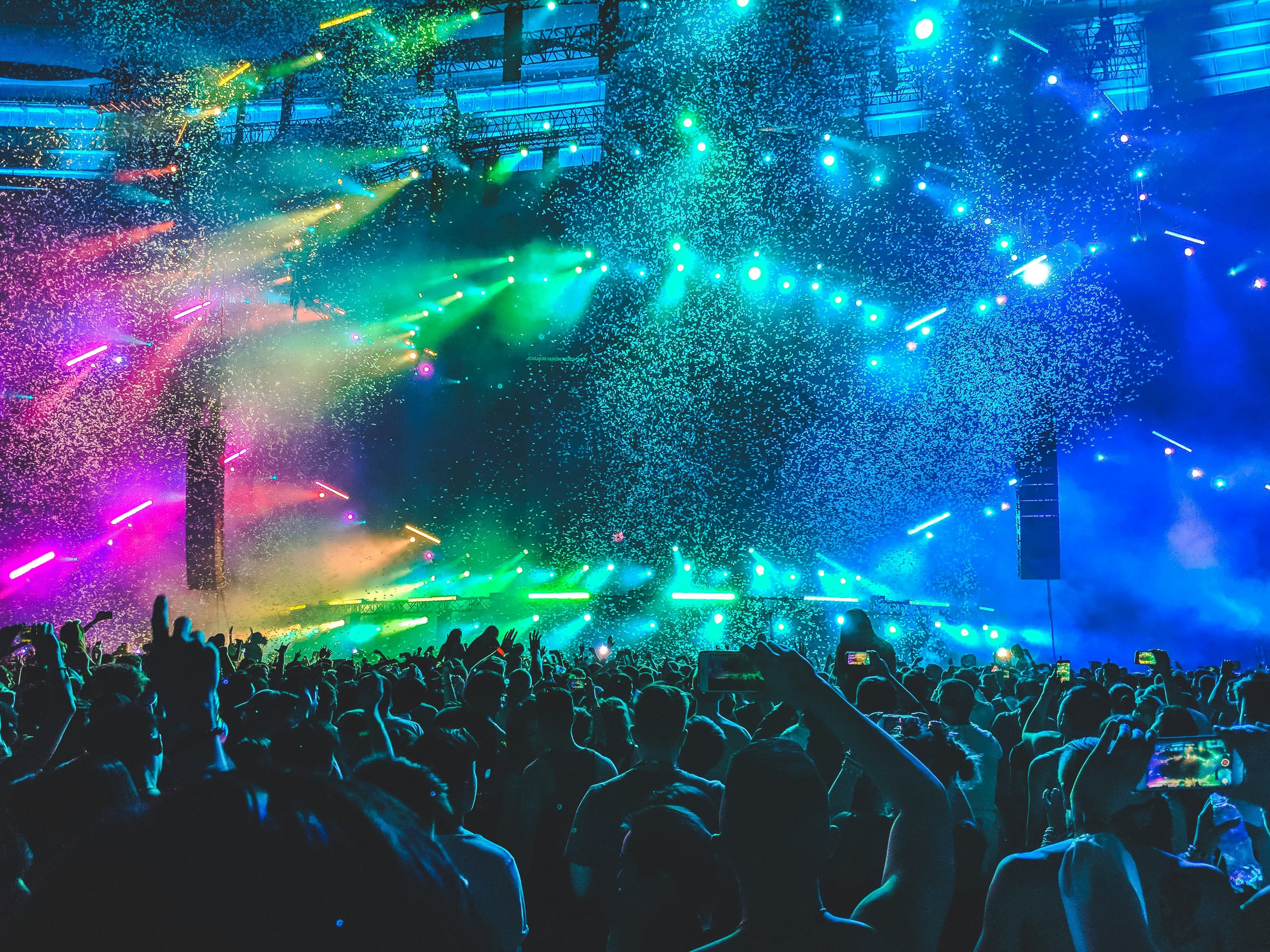
Many event galleries look busy but not useful. There are hundreds of files, a few decent stage shots, several accidental duplicates, and very little that actually helps the marketing, sponsorship, or sales team after the event.
The problem is usually not talent. It is briefing. If the content team does not know what the business needs from the event, they default to generic coverage. That creates visual evidence that the event happened, but not a library that helps the next campaign.
Story signal
Hero moments, audience proof, sponsor delivery, speaker assets, and behind-the-scenes coverage create a much more usable library.
Why this format matters more than teams expect
Event content has multiple jobs. Some assets need to persuade future attendees, others need to prove sponsor delivery, and others need to support speakers, internal reports, or media outreach. A brief that ignores those jobs pushes the content team toward generic coverage.
The strongest briefs also define context, not just deliverables. A videographer who understands that a sponsor needs footage of genuine booth interaction will shoot differently than one who thinks the request is simply brand presence.
Briefing quality affects on-site movement as well. When the capture team knows the shot list, stage cues, and editorial priorities, they position themselves better, coordinate better with production, and create less disruption in the room.
Event strategy check
What makes an event content brief most useful?
A practical decision matrix
| Asset type | Primary use | Must capture |
|---|---|---|
| Hero photography | Website and launch assets | Wide room energy and clean branded moments |
| Audience proof | Future promotion and sponsor reporting | Real interaction, lines, discussions, and participation |
| Speaker assets | Speaker and partner follow-up | Strong portraits and in-session moments |
| Sponsor delivery | Renewal and reporting | Brand placement and attendee engagement around sponsor touchpoints |
A reliable build sequence
A usable brief combines editorial intent with operational logistics. Content teams need both to perform well on event day.
- List the asset categories the business will actually need after the event.
- Prioritise the moments that cannot be recreated later.
- Share the run of show, room map, sponsor activations, and any stage constraints.
- Define what success looks like for photography versus video instead of treating them as one job.
- Agree a file naming, delivery, and turnaround expectation before event day.
- Assign one organiser who can answer capture questions quickly during the live program.
A reusable working template
asset_category,needed_for,priority
hero_room_shot,next event launch,high
speaker_portrait,speaker follow-up,medium
sponsor_engagement,partner report,high
behind_the_scenes,brand storytelling,medium
Mistakes that quietly weaken the room
- Assuming good photographers can infer the commercial priorities without being told.
- Briefing content teams only on schedule and not on asset purpose.
- Forgetting sponsor proof until the partner asks for a report after the event.
- Measuring the content job by quantity of files instead of usefulness of files.
If the team only documents what happened, you get proof of activity. If the team understands what the business needs, you get reusable assets that keep paying off long after the room is cleared.
Where teams usually get stuck
Programming usually gets flatter when sessions are selected for availability, status, or habit rather than for the specific learning, tension, or energy the room needs. The result is content that is individually competent but collectively forgettable.
The fix is to think editorially. Every segment should have a reason to exist, a relationship to the rest of the day, and a format that helps the audience get what the segment promises.
Questions to settle before event week
- What does this session or format need the audience to leave understanding?
- Where is the agenda repeating itself in theme, voice, or energy?
- Which speaker, moderator, or host still needs a sharper brief?
- What moment in the program deserves stronger synthesis or framing?
What to review after the room clears
- Which sessions created the clearest audience value and why?
- Where did attention drop because format and purpose did not match?
- What content should be repackaged, reused, or retired next time?
- Which briefing or rehearsal step would have improved the live session most?
A fast planning drill
Use this topic as a short internal working session before the next event. The aim is to surface ambiguity while the fixes are still cheap.
- Rewrite the event outcome for this area in one sentence from the attendee perspective.
- List the three live decisions that would most affect guest confidence if this part of the plan goes wrong.
- Cut one nice-to-have element if it distracts from the main promise or makes delivery harder.
When to simplify instead of add more
If this part of the event starts spawning too many moving pieces, return to the attendee promise and remove anything that does not clearly support it. Strong execution usually comes from fewer better decisions, not from adding more layers to compensate for earlier uncertainty.
A quick operator checklist
- Write the audience outcome before refining the session format.
- Check the agenda for repeated energy or repeated ideas.
- Brief speakers and moderators on purpose, not only on timing.
- Protect the transitions that help the audience understand the day.
- Review programming decisions after the event with evidence, not only instinct.
Final thought
Brief the content team like strategic partners, not like background vendors. The usefulness of the archive starts long before the first shutter click.